
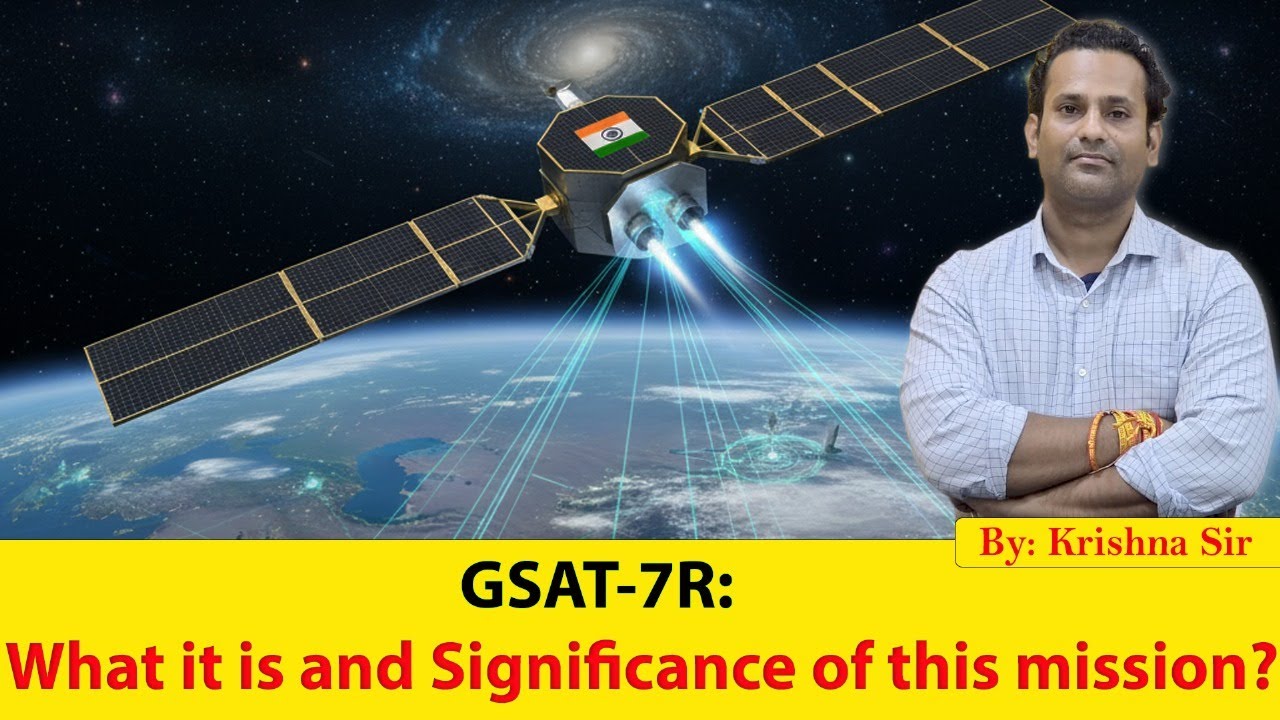
ISRO’s LVM3 rocket launches GSAT-7R, the Navy’s most advanced communication satellite

- Indigenous GSAT-7R weighs 4,400 kg, making it India’s heaviest communications satellite; will provide Navy with secure telecom coverage across Indian Ocean region; feeds into ISRO’s Gaganyaan preparations.
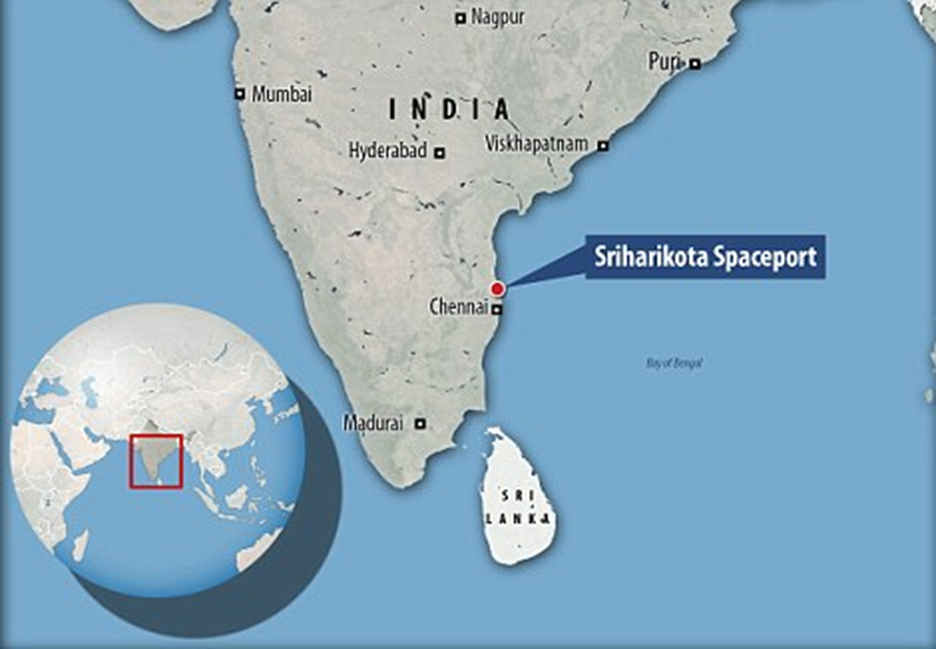
- ISRO’s launch vehicle LVM3-M5 carrying the communication satellite CMS-03 lifts off from the launch pad at the Satish Dhawan Space Centre, in Sriharikota, Andhra Pradesh.
- The indigenously designed and developed satellite, weighing approximately 4,400 kg, is India’s heaviest communication satellite to date and marks a major milestone in strengthening the Navy’s space-based communications and maritime domain awareness.
- ISRO launched the rocket aboard its most powerful launch vehicle, the LVM3, on its M5 mission. The liftoff took place at about 5:26 p.m. IST from the second launch pad, and mission control soon confirmed that the satellite had been successfully inserted into a geosynchronous transfer orbit (GTO).
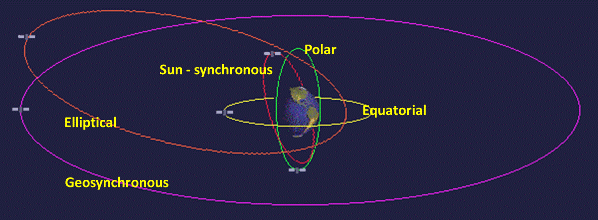
- This is the heaviest Indian-built communications satellite launched from Indian soil so far. Because of the high mass of the GSAT-7R, the launch vehicle targeted a standard GTO; once there, the satellite will raise and circularize its orbit using its onboard propulsion systems.
Naval communications
- The Indian Navy said that, equipped with state-of-the-art indigenous components, the GSAT-7R will provide robust and secure telecommunication coverage across the Indian Ocean Region. Its advanced payload features transponders supporting voice, data, and video links over multiple communication bands, ensuring seamless connectivity between the Navy’s ships, submarines, aircraft, and Maritime Operations Centres.
- The successful launch of the GSAT-7R highlights India’s growing self-reliance in space technology and the Navy’s commitment to safeguarding national maritime interests, it said. It stands as a testament to Aatmanirbhar Bharat, enabling the armed forces to operate with enhanced situational awareness and secure, high-capacity communication links in complex maritime environments, it added.
Preparing for Gaganyaan
- The launch also demonstrated the capacity of the LVM3 rocket to routinely handle four-tonne-plus satellites to GTO from India, reducing dependence on foreign launchers for heavy communications satellites as well as feeding directly into ISRO’s preparations for Gaganyaan, its maiden human spaceflight programme, which plans to use an evolved LVM3 variant.
- “ISRO has successfully launched the heaviest GEO communication satellite from Indian soil,” ISRO chairman V. Narayanan posted on X following the successful launch. “The Indian space sector is soaring high to provide valuable services to the user community in and around the Indian region,” he added.
Subscribe Our Youtube Channel : https://www.youtube.com/@CivilsPhodo/